


- MEN
- WOMEN
- KIDS
- STREETWEAR CLUB
- DESIGNERS
- SALE
NEW

CLOTHING
SHOES
BAGS
ACCESSORIES
JEWELLERY
DESIGNERS
EDITORIAL


IN A FESTIVE MOOD
Take advantage of this season and enter it with vibrant designs and bold style!
NEW CODES OF MENSWEAR
FW25 season - from new classics to perfect imperfection
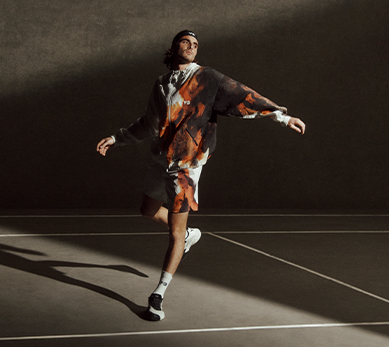
SPORT IS A NEW LUXURY
Clothing designed for action – from training to the urban rhythm of the day
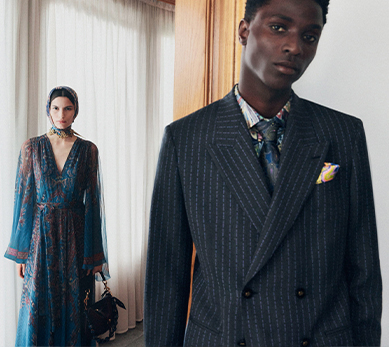
PERFECT FIT
Ensure an impeccable style and make a perfect first impression
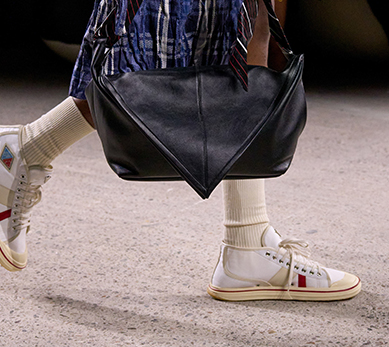
SMART VS CASUAL?
Discover the trendiest shoes to complete your spring-summer outfits

NEW
CLOTHING
SHOES
BAGS
ACCESSORIES
JEWELLERY
DESIGNERS
EDITORIAL
MOMENTS OF PRESENCE
Turn up your style - the holiday season has arrived!

FASHION IN MOTION
Discover how performance and design converge in a modern wardrobe
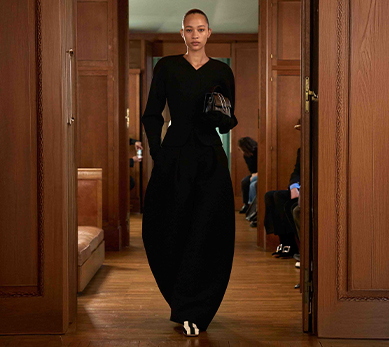
TREND REPORT: FALL-WINTER 2025
Spectacular silhouettes and everyday elements - get ready for the new season!
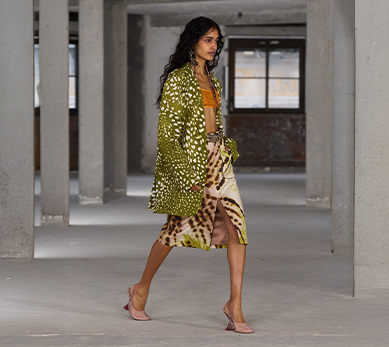
ONE SEASON - THREE SIDES
Choose your look for the new season and express yourself without words
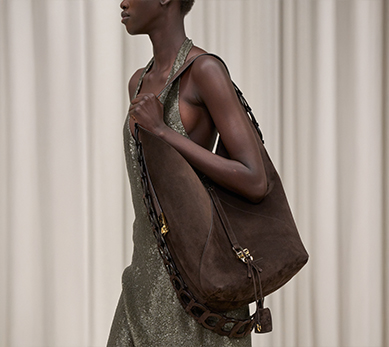
THE MOST FASHIONABLE IT-BAGS OF THE SEASON
Capture attention with the most coveted models by your side!

NEW
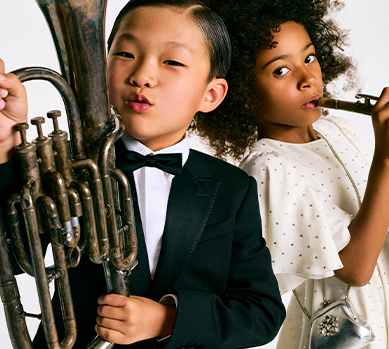
BABY (0-36 MONTHS)
KIDS SHOES (25-39)
KIDS ACCESSORIES

GIRLS CLOTHES (4-14 YEARS)
BOYS CLOTHES (4-14 YEARS)

DESIGNERS
EDITORIAL
SALE

Men
Women
Kids
Viscose: Is It a Good Material? Pros and Cons
Fashion

Is viscose a good fabric? Discover its pros, cons, and care tips. Learn if this airy material fits the values of slow fashion and modern wardrobes.
Viscose. The very word brings to mind flowing dresses, airy blouses, and the feeling of coolness on your skin on a summer day. But is it truly a material worthy of a fashion connoisseur's attention? Is its popularity just a matter of price, or is there something more to it that makes designers so eager to use it? Let's take a closer look at this fabric, which, admittedly, sparks a lot of emotion.
Viscose: What's Behind Its Popularity?
You've probably held a viscose garment in your hands more than once, admiring its softness and the way it drapes over the body; many such options for women can be found in current collections. It is precisely this characteristic fluidity that is one of its greatest assets, giving creations a noble, almost liquid-like appearance. Viscose can beautifully imitate silk, but is it just its cheaper sister? That's too much of a simplification. It's a material with its own character, full of nuances that are worth knowing before making a final verdict.
Many people may have wondered why some viscose clothes are so wonderfully soft, while others seem a bit stiffer. Or why one viscose blouse lasts for years, while another pills after a few washes? Quality, of course, is key, but the very nature of viscose is fascinating in its complexity.
Where Does Viscose Actually Come From?
This is where the interesting story begins. Although viscose often ends up in the "synthetic" category, the truth is a bit more complicated. It is made from a natural raw material—wood pulp, most often sourced from beech, pine, or spruce trees. Sounds good, right? However, for hard wood to become a delicate fabric, the cellulose must undergo a rather complex chemical process. You could say that viscose is a man-made fiber derived from natural sources. It's a hybrid.
Without getting into too many technical details, imagine that the cellulose is dissolved and then forced through special nozzles, creating thin threads that later become yarn. It is this process that gives it its specific properties, distinguishing it from cotton or linen, despite their common plant-based origin. Does that make it worse? Not necessarily. Just different.
Does Viscose Caress the Skin Like Silk?
When we think of comfort, viscose has a lot to offer. Its fibers are smooth and pleasant to the touch, which means that clothes made from it are often a real pleasure to wear. For many people, it is this softness, sometimes reminiscent of the delicacy of silk, that is the deciding factor.
What Else Makes Viscose So Tempting?
- Breathability
This is one of those fabrics that lets your skin breathe. On hot days, a viscose dress or shirt can be a real lifesaver. It's also worth knowing that viscose is a good conductor of heat, which makes it ideal for summer clothing. At the same time, viscose fabrics can be napped, a process of mechanically raising the surface fibers, which makes them fluffier and adaptable for winter wear, providing extra warmth. - Hygroscopicity
Viscose absorbs moisture well, which translates into wearing comfort, but also ease of dyeing. Thanks to this, the colors on viscose fabrics are often deep and saturated. - Beautiful Drape and Fall
The previously mentioned fluidity and ability to create soft folds are qualities that designers love. Viscose can add lightness and elegance to a silhouette. Doesn't it wonderfully wrap the body, accentuating movement? - Anti-static Properties
Unlike many synthetics, viscose generally does not build up static electricity, which is a big plus.
It seems, then, that viscose has many qualities that make it a material close to ideal, especially when we are looking for an alternative to more expensive silk or high-maintenance cashmere. But, as is often the case in life, there is no rose without a thorn.
What Are the Quirks of a Viscose Garment?
Unfortunately, viscose also has its moods. Anyone who has dealt with this material probably knows what I'm talking about. One of its most well-known drawbacks is its tendency to wrinkle. Sometimes, a moment of inattention is enough for a beautiful, smooth surface to be covered in a network of creases. This can be frustrating, especially when we want to look impeccable all day long.
Another quirk is its behavior when it comes to water. Wet viscose becomes much less durable and more prone to damage. Its tensile strength, which when dry is greater than wool's but only about half that of silk, can drop by 40-70% when wet.
It is also weaker than cotton and linen under these conditions. That's why gentle care is so important. Shrinkage is also something to watch out for—an improperly washed viscose blouse can suddenly become a size smaller. Has this ever happened to anyone? It's a fairly common experience. Some types of viscose, especially those of lower quality, may also have a tendency to pill, which unfortunately shortens the life of the garment.
Care: The Key to Viscose's Longevity
Since we're talking about its quirks, how do we deal with them? Proper care is absolutely crucial.
- Washing: It's best to hand-wash viscose in lukewarm water or in a washing machine on a delicate cycle, without spinning or with minimal spinning. Always check the label!
- Drying: Forget the tumble dryer. It's best to dry viscose garments flat or hanging on a hanger, away from direct sunlight, to avoid distortion and fading. Do not wring them out forcefully.
- Ironing: Iron viscose on the reverse side, while slightly damp, setting the iron to a low or medium temperature (usually marked as "silk" or "viscose").
Does Viscose Fit into the Slow Fashion Philosophy?
This is a question that more and more conscious fashion lovers are asking themselves. And the answer is not straightforward. On one hand, viscose is made from a renewable resource—wood. That's a plus. On the other hand, the traditional process of its production can be burdensome for the environment, mainly due to the chemicals used and water consumption. Sourcing wood, if it doesn't come from certified, sustainable forests, also raises concerns.
Fortunately, the world of fashion and technology is not standing still. Newer, more environmentally friendly methods of producing cellulose fibers are emerging, such as those based on closed-loop solvent processes. In these processes, less toxic substances are used, which are recovered and reused, and water consumption is significantly lower. These alternatives are a step in the right direction.
So, can viscose be part of a wardrobe consistent with the idea of slow fashion? I think so, provided we make conscious choices. Let's opt for high-quality viscose that will last longer, and let's look for viscose produced in a more sustainable way. After all, caring for the planet is also an element of good style, isn't it?
Viscose in High Fashion: How to Wear It?
Despite its drawbacks, viscose is still eagerly used by designers, including those at the high-end. Why? Because its advantages—especially the way it drapes and its ability to take on intense colors—are invaluable.
Viscose reigns in flowing maxi dresses, elegant shirts with a fluid line (also available in the range of men's shirts), and wide-leg palazzo pants that move beautifully. It's also an excellent material for luxury linings, ensuring comfort even in more structured creations. It's like a secret ingredient that adds that "something" to a garment—lightness, a subtle sheen, and a pleasant touch.
Let's remember that the final effect depends not only on the fabric itself but also on the cut, the quality of the craftsmanship, and how we style it. A well-tailored viscose blouse can look just as chic as a silk one, and at the same time be more practical for everyday wear. It's a material that offers a lot of creative freedom, allowing you to create outfits that are both nonchalantly elegant and more formal.
In summary, viscose is a material full of contrasts. On one hand, it has a natural origin; on the other, it undergoes chemical processing. On one hand, it offers luxurious softness and a beautiful appearance; on the other, it has certain care requirements. Is it a good material? Yes, if we know its nature and can appreciate its advantages while accepting certain compromises. It is certainly a fabric that deserves a place in a well-thought-out wardrobe, offering elegance and comfort in many forms, both for women and men. The question of individual experiences with this material remains.


